
Can’t start, won’t start: Over 150 new military programs face delay under a CR
The Defense Department will be operating under a continuing resolution until lawmakers successfully pass a fiscal 2027 budget.
The Defense Department will be operating under a continuing resolution until lawmakers successfully pass a fiscal 2027 budget.
Capt. Tamara Lawrence, the current acting chief of information, will take over the post traditionally held by a rear admiral.


Avoiding vendor lock and providing more room for sensors and upgrades are critical considerations.
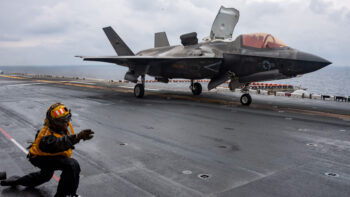
Compared to recent contracts, the average flyaway cost of an F-35A and F-35B rose by over 11 percent, while the price of an F-35C climbed over 8 percent, according to figures supplied by the F-35 Joint Program Office.
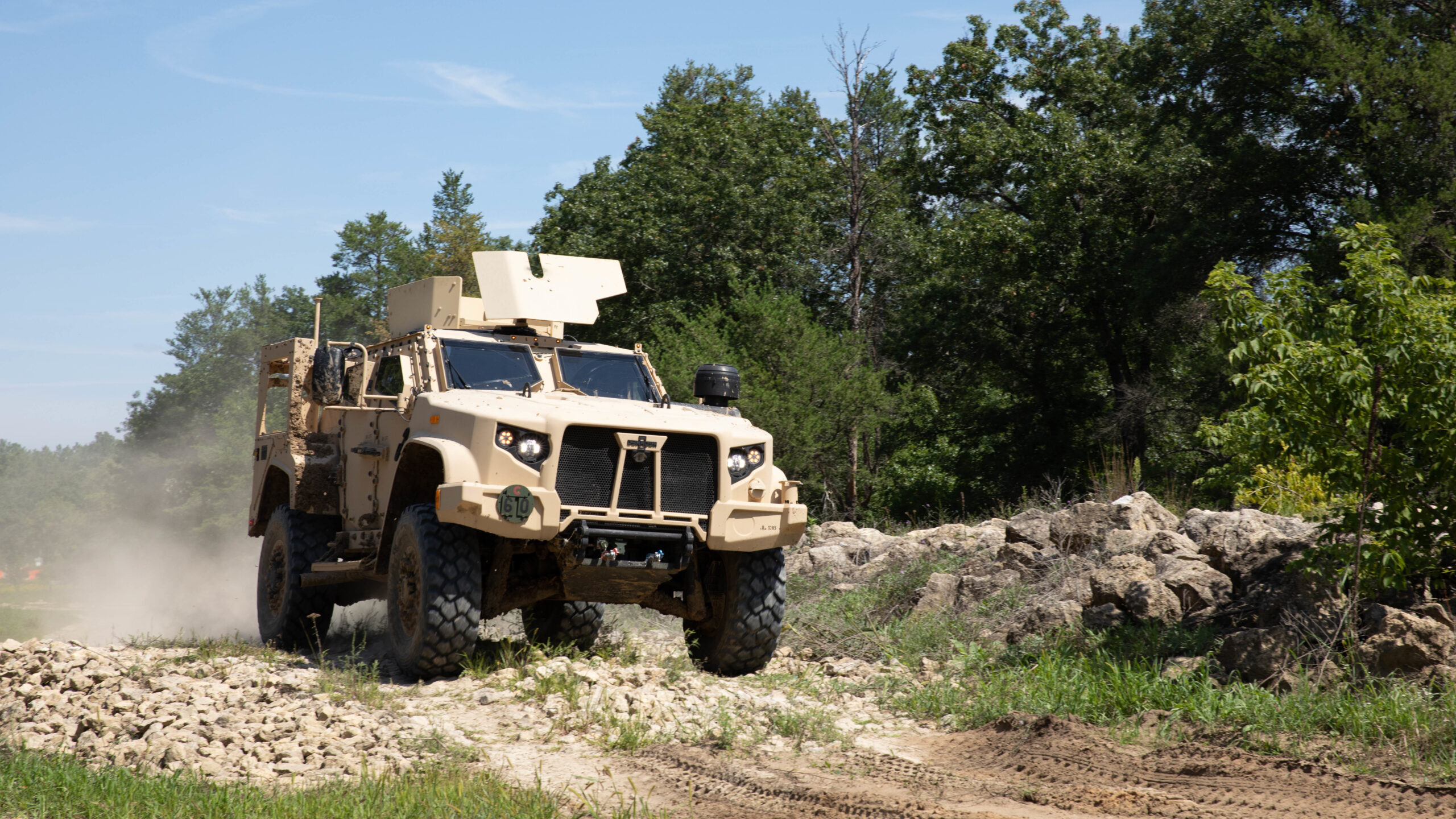
Delays at AM General to provide a new version of the JLTV to the Marines has led Oshkosh to step in with a solution.

Andrew Magliochetti, who previously served as the director of the Navy’s Office of Small Business Programs, will oversee the Office of the Defense Industrial Base.

The system will feature a “universal sled mount” to pair it with various manned and unmanned vehicles across the service, Epirus said.


Demand signals from leadership are shaping investments in design, engineering and manufacturing.
The pilot ejected and is receiving medical treatment for non-life-threatening injuries, according to the service.

The Marine Corps received its 359th Osprey aircraft today, completing the program of record.
The AI-powered robotic weapon, which weighs roughly 300 pounds and is capable of firing 850 rounds-a-minute, can detect and neutralize small unmanned aerial systems, Allen Control Systems said.

The Navy said that the contract award seeks to "maximize commercial practices to accelerate delivery" of the vessels.

Threats have changed the range, seeking and attack capabilities necessary to ensure effectiveness.
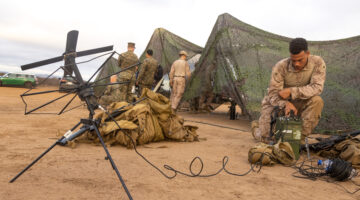
The forthcoming plan, described in broad strokes to Breaking Defense, is the first of its kind and is akin to the annual Marine Corps Aviation Plan.
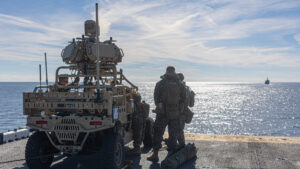
The autonomous ground vehicle is not intended to replace the JLTV, according to Overland AI CEO Byron Boots.

"The JLTV A2 transition proved especially challenging due to the unforeseen condition of the technical baseline we inherited," John Chadbourne, said in a release Friday.

The F-35’s full mission capable rate fell to to 25 percent in FY25, the government watchdog found.